
Why Does the US Dollar Strengthen During Geopolitical Crises?
Understand the counterintuitive relationship between global conflict and currency strength. Real examples from Russia-Ukraine war, Israel-Iran tensions, and safe-haven investing explained.
The Counterintuitive Pattern
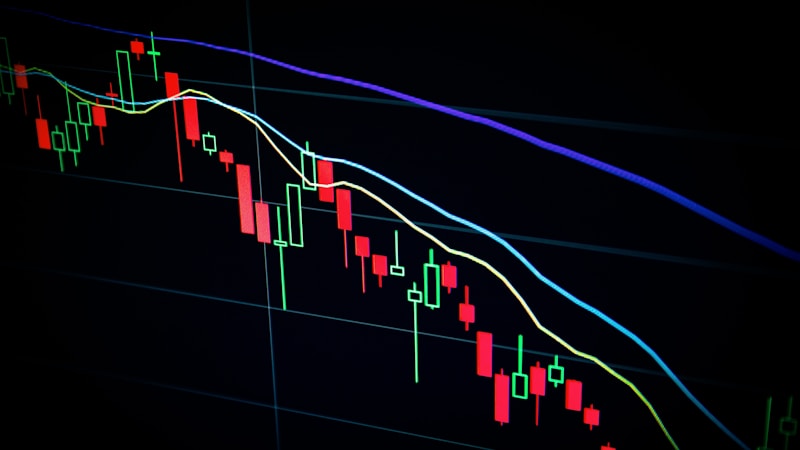
It seems backward. When war breaks out in Europe, when tensions spike in the Middle East, when emerging markets implode—the US dollar strengthens. Not weakens. Strengthens. Investors flee risky assets and pile into dollars. Stock markets crash, but the dollar appreciates. This pattern repeats across decades of geopolitical shocks:
Russia invades Ukraine (February 2022): The dollar spiked. Emerging-market currencies collapsed.
Israel-Hamas war (October 2023): Dollar strengthened. Oil markets whipsawed, but safe-haven demand kept the dollar bid.
Taiwan tensions rise: Dollar strength increases. Asian currencies weaken.
Why? If global uncertainty is bad for everyone, shouldn't all currencies weaken together? Why does the dollar specifically strengthen while others fall?
The answer lies in one core principle: safe-haven currency flows. During crisis, investors don't just sell risky assets—they sell risky currencies too. And they all convert to the same thing: the US dollar.
What Makes a Currency "Safe Haven"?
A safe-haven currency is one that investors trust to hold value during crisis. It's not about economic strength in the moment—it's about trust and liquidity when everything else is burning.
The US dollar is the world's safe-haven currency for several reasons:
1. Military and Geopolitical Dominance
The US military is unmatched. The navy controls global shipping lanes. The US has alliances spanning NATO, Asia, and the Middle East. In a geopolitical crisis, the US is perceived as a winner, or at worst, insulated from immediate threat. This stability matters for currency.
2. Economic Depth and Institutional Quality
The US has transparent financial markets, rule of law, and stable institutions. Central bank independence is respected. Property rights are protected. This isn't trivial. Many countries lack these foundations. When crisis hits, investors want assets issued by countries they trust won't nationalize their holdings or freeze accounts.
3. The Dollar as Global Reserve Currency
The dollar is the global reserve currency. Oil is priced in dollars. International trade is settled in dollars. Global debt is often denominated in dollars. This dominance creates a feedback loop: because everyone uses dollars, dollars are valuable. Because dollars are valuable, everyone wants them more.
4. Liquidity
The dollar market is the most liquid in the world. You can instantly convert almost any currency into dollars. During panic, liquidity is king. The dollar is liquid. Emerging-market currencies aren't.
5. Historical Track Record
For 80+ years, the dollar has been the haven of choice. That history compounds. Each time investors fled to dollars and were rewarded (i.e., didn't get wiped out), the dollar's safe-haven status strengthened. Contrast this with emerging-market currencies, which have histories of crises, devaluations, and occasional capital controls.
The Swiss franc and Japanese yen are also safe-haven currencies. Why does the dollar dominate? Size, liquidity, and global reserve status. A Brazilian investor needing to exit risky assets wants dollars more than francs—because they can deploy dollars anywhere, and every market trades dollars.
The Mechanism: How Safe-Haven Flows Drive Dollar Strength
Here's the step-by-step process that unfolds during a geopolitical crisis:
Step 1: Risk-Off Sentiment
A geopolitical shock occurs. War, terror attack, major political instability. Investors immediately shift from "growth" to "survival" mode. They ask: "Where will this crisis go? How much will I lose?"
Risk assets sell off. Stocks in affected regions plummet. Emerging-market assets are hit hardest because emerging markets have more sensitivity to geopolitical shocks (less institutional cushion, more direct exposure to conflict/trade disruption).
Step 2: Currency Conversion
To exit risky assets, investors must convert back to a safe currency. A European investor selling Turkish stocks needs euros or dollars. A Brazilian investor exiting emerging-market bonds needs US dollars or Swiss francs. The dollar is the most liquid, most accepted, most trusted. Everyone converts to dollars.
Step 3: Demand Spike
Suddenly, global demand for dollars spikes. Billions of dollars of sell orders compete for a relatively limited supply of dollars in the FX market. Basic supply and demand: price (the exchange rate) goes up. The dollar strengthens.
Step 4: Reinforcement Loop
As the dollar strengthens, it becomes even more attractive. Investors see the dollar appreciating and conclude that others are also fleeing to safety. This accelerates inflows. The trend reinforces itself until fear eventually subsides.
This is why currency moves during crises are often exaggerated. It's not a rational reassessment of US economic fundamentals—it's a panicked stampede to the exit. The dollar is the exit door everyone is running toward, so the door gets crowded and the dollar appreciates more than the underlying economic facts would suggest.
What About US Debt and Deficits?
A fair question: if geopolitical crisis strengthens the dollar, shouldn't massive US government debt and fiscal deficits weaken it?
The short answer: not during crisis.
Here's why. During geopolitical crises:
1. Safe-Haven Premium Overrides Fundamentals: In the short term (weeks to months), investors buy dollars not because the US budget is healthy—it isn't—but because dollars are safer than alternatives. The safe-haven premium is stronger than the deficit discount.
2. Treasuries Benefit from Flight to Quality: Investors actually buy more US Treasury bonds during crises, driving yields down (prices up). Even though the US is indebted, Treasury bonds are perceived as the safest debt in the world. This is because the Fed can print dollars and the US is unlikely to default. This counterintuitive behavior—buying debt of an indebted nation during crisis—demonstrates the power of safe-haven flows.
3. Fed Policy Responds: During crises, the Fed typically cuts interest rates or maintains loose policy to support markets. Lower rates support asset prices and reduce immediate debt servicing pressure, further supporting dollar safety.
4. Long-Term vs. Short-Term: Over decades, large deficits eventually weaken currencies. But over weeks and months of acute crisis, safe-haven flows dominate. This time horizon mismatch explains how the dollar can strengthen during geopolitical shocks despite fiscal imbalances.
Japan has had government debt exceeding 250% of GDP for years—far worse than the US. Yet the yen is also a safe-haven currency. During crises, the yen strengthens. Like the dollar, the yen benefits from being perceived as issued by a stable, developed nation with strong institutions. The debt matters for long-term currency depreciation, but not during acute crisis flows.
Implications for Investors: What This Means for Your Portfolio
1. Dollar Strength During Downturns Can Offset Losses
If you hold US Treasury bonds or dollar cash during a geopolitical shock, you benefit from two effects: (1) Treasuries rally as yields fall, and (2) the dollar strengthens if you have foreign currency exposure. This is powerful hedging.
Conversely, if you're heavily invested in emerging-market stocks or foreign currencies, a geopolitical shock hits you twice: your stocks fall AND your currency weakens against the dollar.
2. Dollar Strength Hurts Exporters
A stronger dollar makes US exports more expensive for foreign buyers. US multinational corporations with significant overseas earnings see those earnings translated back into fewer dollars. This is one reason large-cap US tech stocks with global exposure can struggle when the dollar spikes during crises.
3. Safe-Haven Trades Are Crowded
Because everyone knows that dollars and US Treasuries perform well during crises, the safe-haven trade becomes extremely crowded. By the time a geopolitical crisis hits, much of the benefit may already be priced in. Smart investors often position before crisis is obvious.
4. Diversification Across Currencies Matters
If you live in the US, your salary and expenses are already dollar-denominated. Holding 100% dollar-based investments creates unhedged currency risk. In contrast, international investors should consider holding some dollar assets not just for return, but for diversification and crisis insurance.
- Safe-Haven Assets: Keep a portion of your portfolio in US Treasury bonds, cash, or dollar-denominated assets as crisis insurance
- Monitor Geopolitical Risk: Before conflicts escalate, rebalance toward safety—don't wait for panic
- Diversify Globally (Thoughtfully): But recognize that home-country bias (favoring your home currency) has hidden benefits during crises
- Dollar Strength Headwinds: Be aware that strong dollars hurt multinational stocks' earnings; consider this when valuing large-cap tech
- Long-Term Perspective: Yes, dollars strengthen during crises, but over decades, deficits and relative economic strength still matter. Don't overextend into one currency.
Final Thoughts: The Dollar's Paradoxical Strength
The pattern is clear: when the world catches fire, money flows to the US dollar. It seems counterintuitive until you understand the mechanism. The dollar isn't strong because America benefits from conflict—it benefits because America is perceived as the safest harbor in a stormy world.
This safe-haven status rests on real foundations: military dominance, economic depth, legal stability, and historical track record. As long as these remain intact—and barring dramatic shifts in global power balances—the dollar will likely continue to benefit from geopolitical crises.
For investors, this is both a lesson and a tool. Understanding why currencies move helps you position smarter. And recognizing that dollar strength is partly a crisis phenomenon helps you avoid chasing the trend at the worst time.
In investing, as in life, the best positioning happens before the chaos. Once everyone is already running toward the door, you're late.

